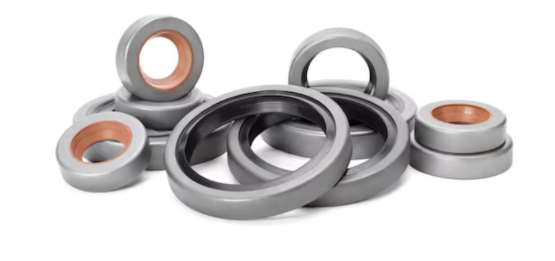
Hydraulic systems are widely used in many industries, including construction, manufacturing, agriculture, and transportation. These systems rely on fluid pressure to perform heavy-duty tasks efficiently. However, without proper sealing, hydraulic systems can develop leaks that lead to poor performance, safety risks, and costly repairs. This is where hydraulic seals play a crucial role. They help keep the system running smoothly by preventing fluid leakage and maintaining pressure within the equipment.
Understanding the Role of Hydraulic Seals
Hydraulic seals are small but essential components used in hydraulic cylinders and other systems to block the passage of fluid. Their main purpose is to keep hydraulic fluid contained within specific areas, ensuring that pressure is maintained. When pressure is stable, the system can function effectively and deliver the required force.
These seals are usually made from durable materials such as rubber, polyurethane, or other specialized compounds. Their design allows them to withstand high pressure, temperature changes, and constant movement. Without hydraulic seals, the fluid would escape, and the entire system would fail to perform its intended function.
Preventing Fluid Leaks in Hydraulic Systems
One of the biggest advantages of hydraulic seals is their ability to prevent leaks. Hydraulic fluid is essential for transferring power within the system, and even a small leak can reduce efficiency. Over time, leaks can cause serious damage to equipment and increase maintenance costs.
Hydraulic seals create a tight barrier between different components, stopping fluid from escaping. This not only keeps the system clean but also ensures that the right amount of pressure is maintained at all times. By preventing leaks, hydraulic seals help extend the life of machinery and reduce downtime.
Enhancing Equipment Safety
Safety is a top priority in any work environment, especially when dealing with heavy machinery. Leaking hydraulic systems can be dangerous, as they may lead to sudden equipment failure or loss of control. In some cases, leaking fluid can also create slippery surfaces, increasing the risk of accidents.
Hydraulic seals help prevent these risks by ensuring that the system remains sealed and secure. When fluid stays contained, the equipment operates as expected, reducing the chances of unexpected breakdowns. This makes hydraulic seals an important factor in maintaining a safe working environment.
Improving System Efficiency and Performance
Efficiency is key to getting the best results from any hydraulic system. When there are no leaks, the system can maintain consistent pressure, allowing it to perform tasks more effectively. Hydraulic seals play a major role in achieving this level of efficiency.
By keeping the fluid in place, hydraulic seals ensure that energy is not wasted. This allows the equipment to operate at optimal performance levels, reducing energy consumption and improving overall productivity. In the long run, this can lead to significant cost savings for businesses.
Protecting Components from Damage
Hydraulic systems consist of many moving parts that need protection from contaminants such as dust, dirt, and moisture. If these particles enter the system, they can cause wear and tear, leading to damage and reduced performance.
Hydraulic seals act as a protective barrier, keeping harmful contaminants out of the system. This helps maintain the condition of internal components and reduces the need for frequent repairs. As a result, equipment remains reliable and operates smoothly over time.
Supporting Long-Term Reliability
Reliability is essential for any equipment used in industrial operations. Frequent breakdowns can disrupt workflow and increase maintenance expenses. Hydraulic seals contribute to long-term reliability by ensuring that the system remains properly sealed and protected.
When hydraulic seals are in good condition, they help maintain consistent performance and reduce the likelihood of unexpected failures. Regular inspection and timely replacement of seals can further enhance the durability of the system, ensuring that it continues to operate efficiently for years.
Conclusion
Hydraulic seals are vital components that play a key role in preventing leaks and ensuring the safe operation of hydraulic systems. They help maintain pressure, improve efficiency, protect internal components, and reduce the risk of accidents. By investing in high-quality hydraulic seals and maintaining them properly, businesses can enhance the performance and reliability of their equipment while also ensuring a safer working environment.

