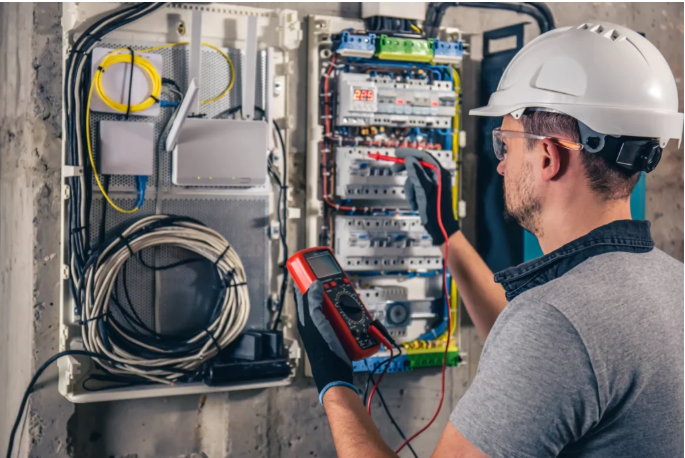
Electrical problems are among the most common maintenance challenges homeowners encounter, and among the most important to address correctly. From flickering lights and tripping breakers to outlets that stop working and burning smells without an obvious source, the range of possible electrical issues is broad. Understanding which problems warrant immediate professional attention and which are manageable through simple fixes helps homeowners respond appropriately and protect both their property and their safety.
Tripping Breakers and What They Are Actually Telling You
A circuit breaker that trips occasionally under heavy load is functioning correctly, it is protecting the circuit from overheating. A breaker that trips frequently with normal loads, or that trips immediately when reset, is indicating something more significant. Overloaded circuits, short circuits in the wiring or a connected appliance, or a deteriorating breaker itself are the most common causes. Identifying whether the issue is in the circuit or the panel requires professional diagnostic work that correctly attributes the fault before any repair is undertaken.
Flickering Lights and the Wiring Problems They Often Signal
Lights that flicker occasionally when a large appliance starts are responding to temporary voltage drops that are generally normal. Lights that flicker continuously or in multiple rooms simultaneously are a different matter. This pattern can indicate loose wiring connections at the panel or in the circuit, a failing main service connection, or wiring that has deteriorated over time. Persistent flickering that is not isolated to a single fixture warrants assessment by a qualified electrician before it develops into a more serious fault.
Outlets and Switches That Fail Without Obvious Warning
An outlet or switch that stops working often represents more than just a failed device. Connections within a junction box may have loosened over time. A wiring fault elsewhere in the circuit can render all downstream outlets non-functional. GFCI outlets that trip and must be reset are protecting against ground faults that should be investigated. Replacing a non-functional outlet without identifying why it stopped working treats the symptom rather than the cause and leaves the underlying issue active within the wiring system.
The Challenge of Outdated Wiring in Older Homes
Homes built before the 1980s may contain wiring that was standard at the time of installation but is now a recognized safety concern. Aluminum branch circuit wiring, installed widely in the 1960s and 1970s, has connection characteristics that create elevated fire risk unless managed with specific compatible devices and connection methods. Knob-and-tube wiring from earlier decades lacks a ground conductor and is incompatible with the three-pronged appliances and electronics that modern households depend on. Professional assessment identifies these conditions and provides a clear path to remediation.
When to Stop Troubleshooting and Pick Up the Phone
Some electrical symptoms require immediate professional response without delay. Any burning smell not attributed to a specific, identifiable appliance. Outlets or switch plates that are warm to the touch. Sparking when a plug is inserted or removed. Visible discoloration or charring around electrical fixtures. Circuit breakers that feel warm or that cannot be reset. These symptoms indicate active fault conditions that pose fire or shock hazards and warrant professional assessment as an urgent matter rather than a scheduled convenience.
Conclusion
Electrical issues in homes range from minor inconveniences that have simple, safe fixes to potentially dangerous conditions that require prompt professional attention. Understanding the difference between these categories, recognizing the warning signs that indicate a serious fault, and working with qualified electricians when professional help is warranted is the approach that keeps households safe and electrical systems functioning reliably for the long term.

