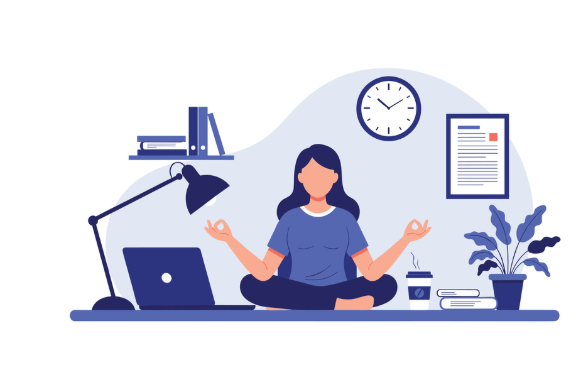
It’s Saturday morning, 7 o’clock. Cars fill the parking area at the neighborhood health spa. Regular people, not fitness fanatics, who hit a wall and wanted to try something new.
Understanding the Depth of Modern Burnout
Burnout creeps up on you. It arrives subtly. First, Sunday nights get harder. Monday mornings become unbearable. Each day feels like wading through mud. Coffee stops helping. Vacations don’t restore. Eight hours of sleep leaves you more exhausted than four used to.
The weird part? You keep functioning. Meetings attended. Emails answered. Bills paid. But the person doing these things feels absent. Like watching yourself from outside, going through motions that lost meaning months ago. Friends notice you’ve changed. You notice too, but fixing it feels impossible when brushing your teeth takes heroic effort.
Your body tries to send signals. Stubborn neck pain. Unexplained stomach problems. Recurrent acne, like in your youth. Headaches arriving daily at 3 PM. With work, kids, and life, who has time for doctors?
The Shift Toward Somatic Practices
A therapist in Denver started noticing something. Her clients could explain their problems brilliantly. They understood their patterns, named their traumas, and identified their triggers. Yet nothing changed. They’d leave sessions with insights but return the next week equally stuck.
So she tried something different. Instead of talking, she had them stand up. Stretch. Shake their hands. Notice their breathing. Within minutes, tears flowed. Laughter erupted. Years of therapy hadn’t touched what five minutes of movement released.
Turns out, the body has its own memory system. Every deadline, every conflict, every moment of panic gets stored somewhere. Hip flexors hold fear. Jaw muscles grip anger. Shoulders carry the weight of everyone else’s expectations. Until these physical patterns release, mental understanding changes nothing.
Practices That Reconnect Mind and Body
Walk into places like Maloca Sound during a breathwork session and you’ll see thirty adults basically just… breathing. It looks ridiculous. Sounds weirder. But forty-five minutes later, those same adults stumble out looking like they’ve been gone for years. Colors seem brighter. Sounds feel sharper. The chronic back pain mysteriously vanished.
Movement practices multiply as people rediscover what screens stole. Martial arts studios pack with beginners learning to throw punches. Dance floors fill with people who don’t care how they look. Hiking groups explore trails twenty minutes from suburbs everyone thought they knew.
Building Sustainable Recovery Rhythms
The problem with most recovery advice? It assumes you have the energy to implement it. Burnout people need smaller steps. Microscopic changes that don’t trigger the overwhelm response. Start with ten conscious breaths before getting out of bed. Not meditation. Not manifestation. Just breathing like you mean it. Stroll around the block, leaving your phone behind. Take your lunch break away from your workspace. Little acts of defiance against the oppressive system.
Jenny discovered morning pages. Three pages of stream-of-consciousness writing before checking email. Dumps the mental chatter before it builds up. Marcus bought a jump rope. Three minutes in his garage each morning. Says it works better than Prozac ever did.
Conclusion
Recovery isn’t linear. Tuesday you feel human again. Wednesday you’re back in the pit. Thursday brings unexpected tears in the grocery store. Friday delivers the first genuine laugh in months. It is messy and unpredictable, and absolutely worth it. The tools don’t matter as much as using them. Whether it’s drumming or cold showers or gardening or kickboxing; what works is what you’ll actually do. Forget perfect. Forget optimal. Discover something, anything at all, that boosts your sense of aliveness, even marginally, from where you were yesterday. Repeat this action tomorrow. The path back starts there.

